How Long Does a Boiler Installation Take Norfolk?

Air Source Heat Pumps in North Walsham | EPH Services
November 2, 2026
Boiler Installations Stalham | EPH Services
November 12, 2026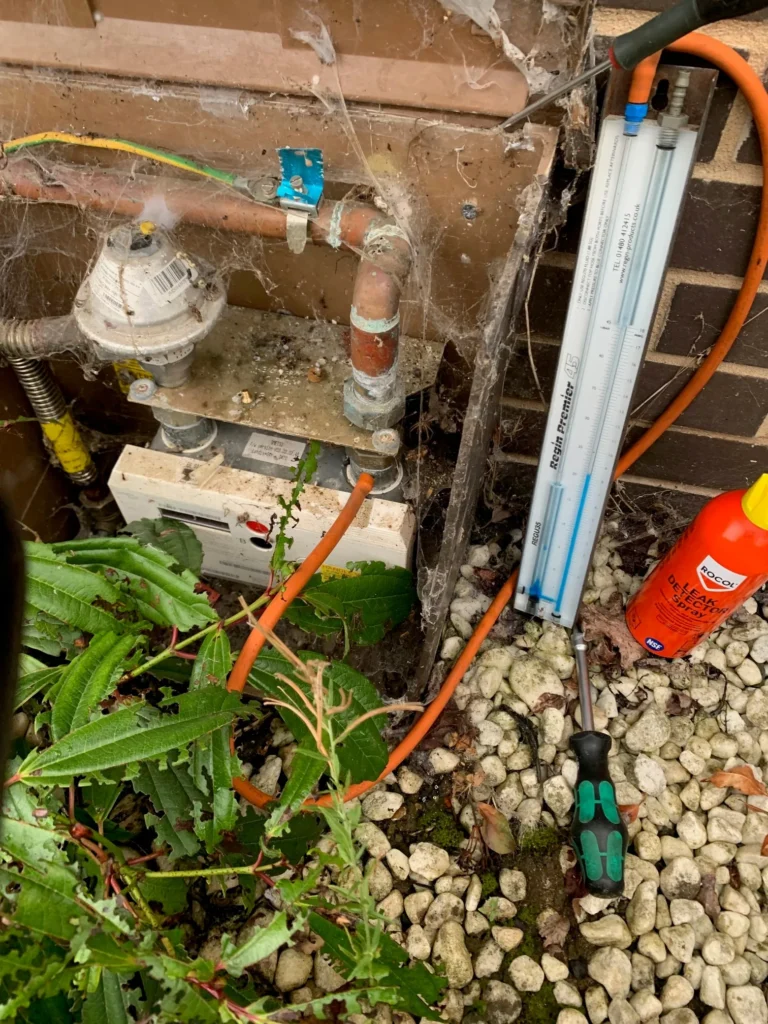
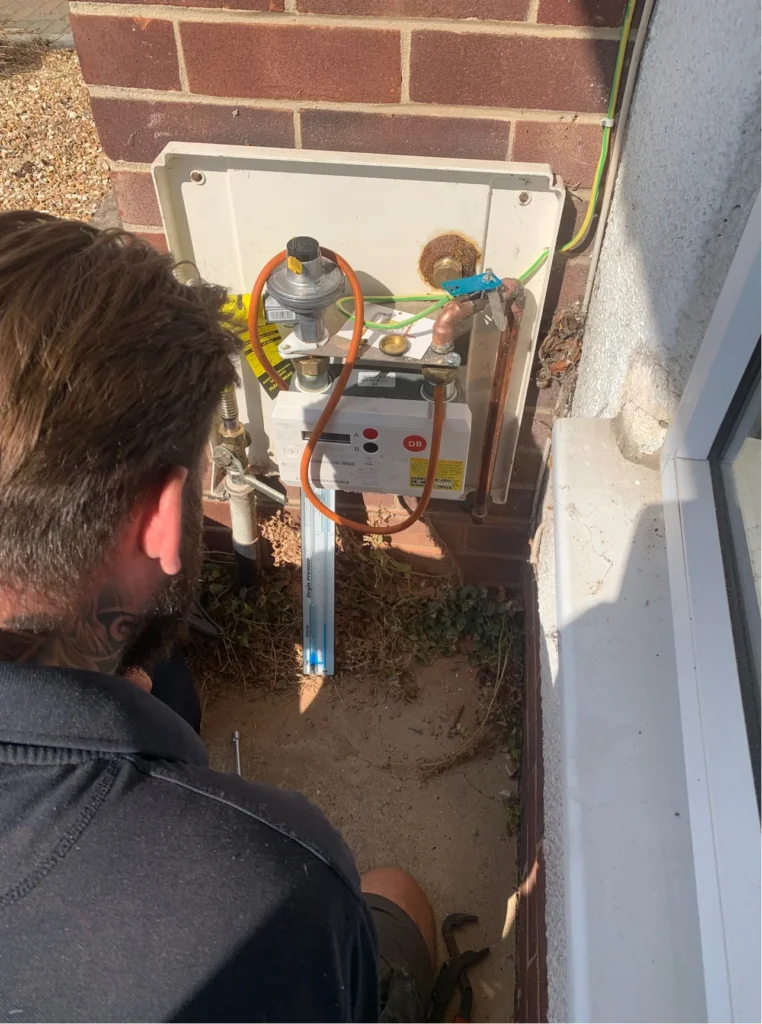
Most straightforward boiler replacements in Norfolk take one to two days, depending on whether it’s a like-for-like swap or involves pipework changes, cylinder replacement, or fuel conversion. Oil boiler installations and gas-to-heat-pump upgrades typically require longer, often three to five days, especially in rural Norfolk properties with older heating systems.
Key Facts: Boiler Installation Timescales in Norfolk
- Like-for-like gas combi swap: 1 day (sometimes same day if started early)
- Gas combi to system boiler: 1-2 days (new cylinder, pipework modifications)
- Oil boiler replacement: 1-2 days (tank inspection, outdoor runs, commissioning)
- LPG or oil to mains gas: 2-3 days (new gas supply connection required first)
- Oil to air source heat pump: 3-5 days (radiator upgrades, cylinder, controls, commissioning)
How Long Does a Boiler Installation Take in Norfolk?
The biggest factor is whether you’re doing a like-for-like replacement or changing the type of boiler or fuel. A direct combi-to-combi swap in a modern property with accessible pipework can often be completed in a single day. But if you’re switching from a conventional boiler with a tank in the loft to a combi, or upgrading radiators at the same time, expect two days minimum.
In rural Norfolk, where many homes run on oil or LPG, fuel type matters. Oil boilers need outdoor pipework runs, tank checks, and longer commissioning times. If your oil tank is old or the supply line needs replacing, that adds time. Switching from oil to mains gas (where available) requires a new gas supply to be run to the property, which the gas network operator handles separately—this alone can add days or weeks to the overall project timeline before we even start the boiler work.
The condition of your existing system also plays a part. If your radiators are cold at the bottom or the system has sludge, we’ll usually recommend a power flush before or during the installation. A power flush adds half a day to a full day, but it’s essential for protecting your new boiler and maintaining the manufacturer’s warranty.
Typical Timelines for Common Norfolk Boiler Jobs
Here’s what we see most often across Norfolk, from Attleborough to Kings Lynn and the villages in between:
- Gas combi to gas combi (like-for-like): Usually one day. We’ll drain down, remove the old boiler, fit the new one, connect pipework and flue, commission, and demonstrate the controls. If there are no surprises with pipework or the flue route, you’ll have heating and hot water by the evening.
- Conventional boiler to combi: Typically 1-2 days. We remove the old boiler, hot water cylinder, and cold water tanks from the loft, then install the new combi and modify pipework. The loft space clearance and re-routing pipework takes the extra time.
- Oil boiler replacement: 1-2 days. Oil systems need outdoor pipework checked, the tank and filter serviced or replaced if needed, and careful commissioning. OFTEC registration and building control notification add admin time but don’t delay the physical work.
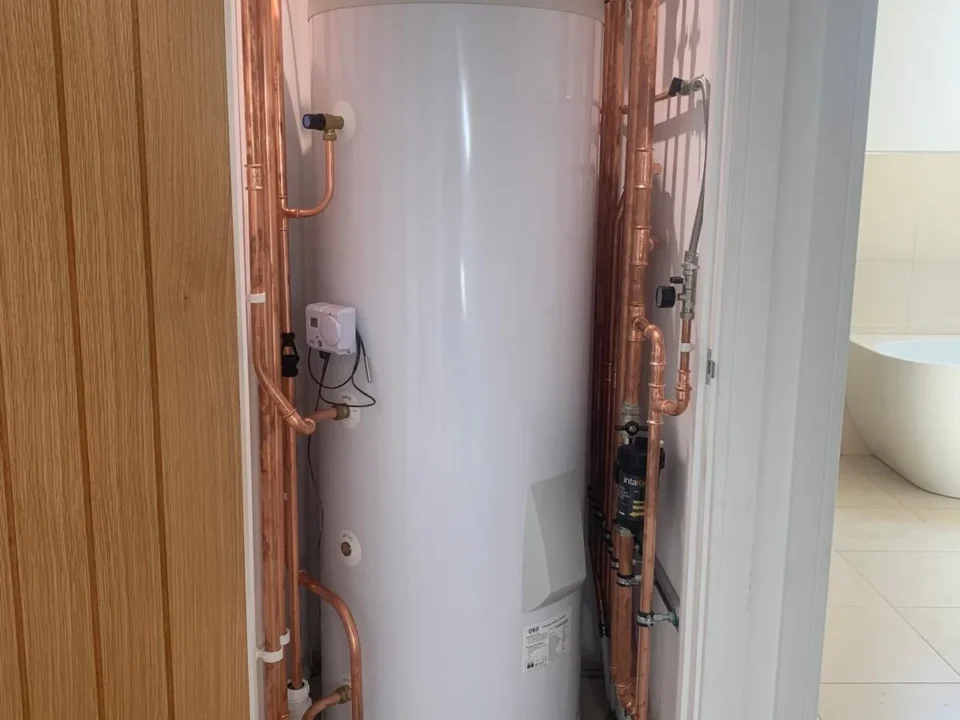
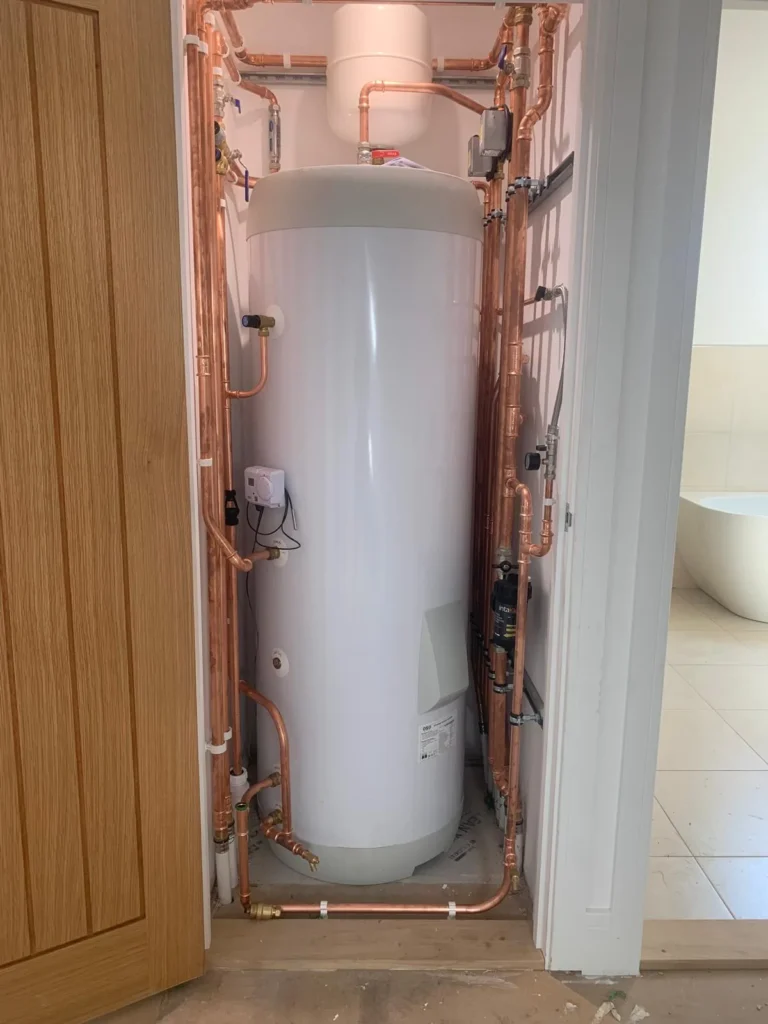
- System boiler with new cylinder: 1-2 days. Installing an unvented cylinder requires G3 qualification and careful attention to pressure relief, expansion, and controls. If we’re also upgrading radiators or adding zones, expect two full days.
Why Some Installations Take Longer
Period properties and older Norfolk cottages often have complications. Pipework hidden in solid walls, narrow staircases that won’t fit a new cylinder, or fragile microbore pipe that needs replacing can all extend the job. We’ll flag these during the survey, so there are no surprises on the day.
Radiator upgrades are common when switching fuel or moving to lower-temperature systems. If your radiators are undersized for a heat pump or you’re adding an extra bedroom, we’ll need to swap or add rads. Each radiator adds an hour or two, and if we’re lifting floorboards to run new pipe, that stretches the timeline further.
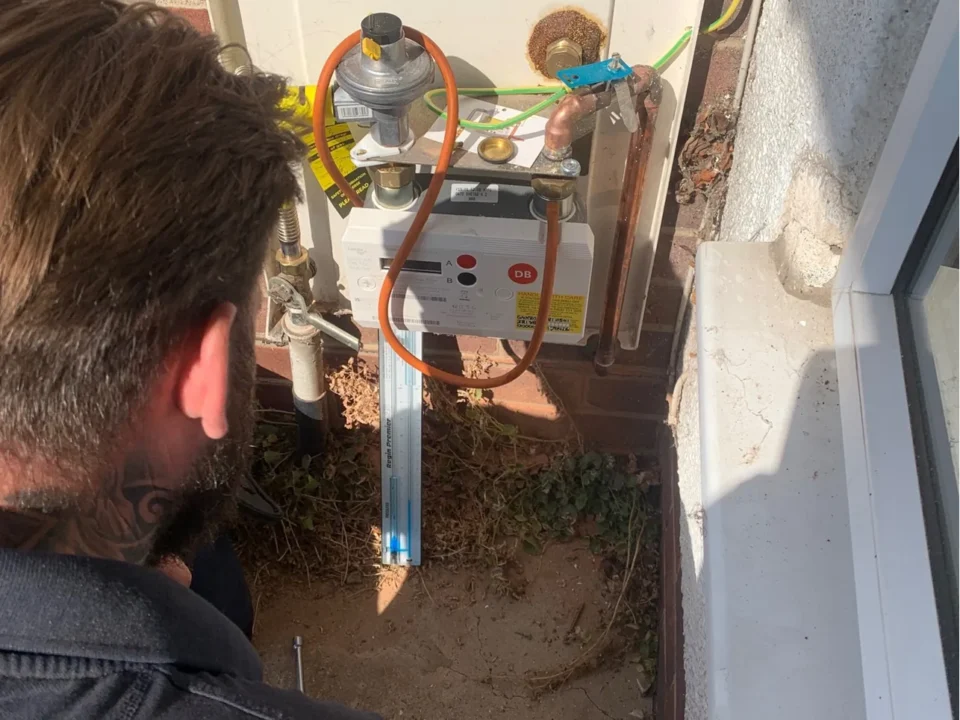
Building control and gas safety checks don’t slow the work itself, but they’re non-negotiable. Gas Safe engineers must test and certify every gas installation; OFTEC engineers do the same for oil. For boiler installations in Norfolk involving structural changes (new flue through a wall, cylinder in a different room), building regs apply and we handle the notifications.
What Happens on Installation Day
We’ll arrive with all materials and confirm the plan with you before starting. Day one usually involves draining the system, removing the old boiler (and cylinder or tanks if applicable), fitting the new boiler, and running or modifying pipework. If it’s a one-day job, we’ll complete commissioning, test all controls, and walk you through the new system before we leave.
For two-day jobs, day one is removal and first fix (boiler mounted, pipework roughed in, cylinder or radiators positioned). Day two is finishing pipework, filling and pressurising the system, commissioning the boiler, balancing radiators, and a final check of all safety devices and controls. You’ll get your Gas Safe or OFTEC certificate, manufacturer’s warranty registration, and a demonstration of how everything works.
We protect floors and work areas, and we’ll take all the old equipment and packaging away. Most customers are surprised how tidy the site is at the end of each day—no one wants to navigate an obstacle course in their own hallway overnight.
Oil Boilers and Heat Pump Installations: Why They Take Longer
Oil boilers take longer than gas because the fuel supply and flue arrangements are more involved. The oil tank, filter, and fire valve all need checking, and outdoor pipework has to be clipped and lagged correctly. OFTEC commissioning is thorough and can’t be rushed—combustion analysis, smoke tests, and safety checks take time.
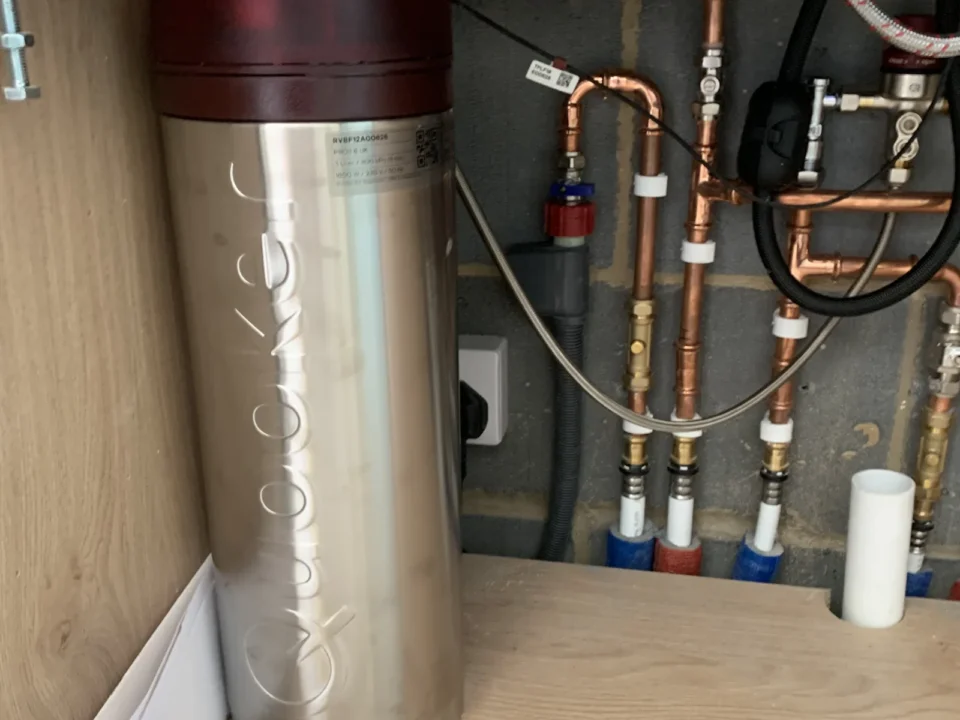
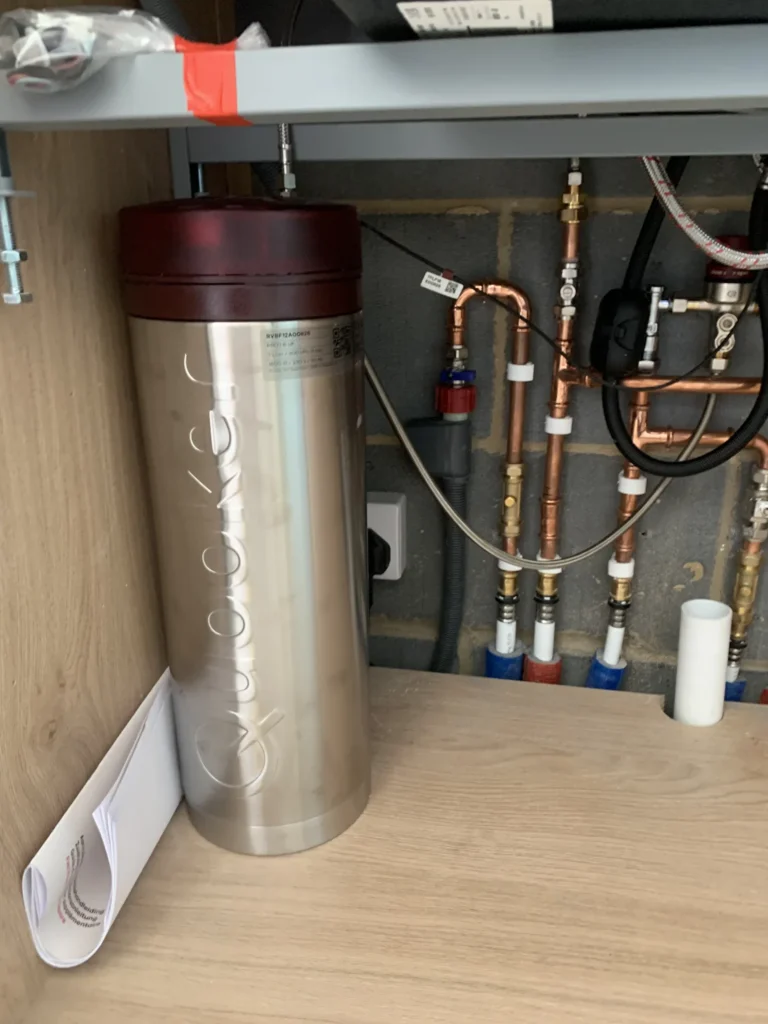
If you’re considering an air source heat pump instead of a new oil boiler, expect three to five days for a full MCS-certified installation. Heat pumps need a larger hot water cylinder, upgraded or additional radiators (especially in older properties), new controls, and careful commissioning at low flow temperatures. The Boiler Upgrade Scheme grant (worth up to £7,500) makes this affordable for many Norfolk homes off the gas grid, but the installation is more complex than a boiler swap. We’ll survey your property first, calculate heat loss, and give you a realistic timeline and quote breakdown.
Frequently Asked Questions
Can I use my heating and hot water during the installation?
No, the system will be drained and off for most of the work. For one-day jobs you’ll usually have heating back the same evening; for longer jobs we aim to get you hot water by the end of each day where possible, but it’s worth planning around it—especially in winter.
Do I need to be home the whole time?
Yes, or someone over 18 needs to be there. We’ll need access to the boiler location, loft (if applicable), and we’ll ask questions as the job progresses. You’ll also need to be present for the handover and demonstration at the end.
What if you find a problem with my system during the installation?
We’ll always discuss it with you first. Common issues include sludge in the system (we’ll recommend a power flush), corroded pipework that needs replacing, or an undersized gas supply. We’ll explain the problem, the fix, the cost, and the time impact, and you decide whether to proceed or pause.
How soon can you start after I accept the quote?
It depends on our schedule and boiler availability. In quieter months we can often start within a week; in autumn and winter when boilers break down and demand spikes, it might be two to three weeks. We’ll give you a realistic date when you book, and we’ll confirm a day or two before.
If you’re planning a new boiler and want an accurate timeline and quote for your Norfolk property, get in touch with EPH Services. We’ll survey your home, explain exactly what’s involved, and give you a clear schedule so you can plan around the work with confidence.